
Community Fish Tank
Our Community Fish Tank houses Neocaridina and Bamboo Shrimp, Ember and Neon Tetra, Endler Guppies and Guppies along with a Bristlenosed Pleco and Ramshorn snails.
The red and blue shrimp, with their bold crimson and sapphire hues, scuttle through the tank, picking at plants and substrate. Ember Tetras, glowing a soft golden-orange, swim in a small, synchronized school and the Ramshorn snails slowly glide across the glass and leaves, grazing on algae. This small, balanced ecosystem hums with colour and gentle activity, creating a serene underwater world.
Select a crew member to learn more
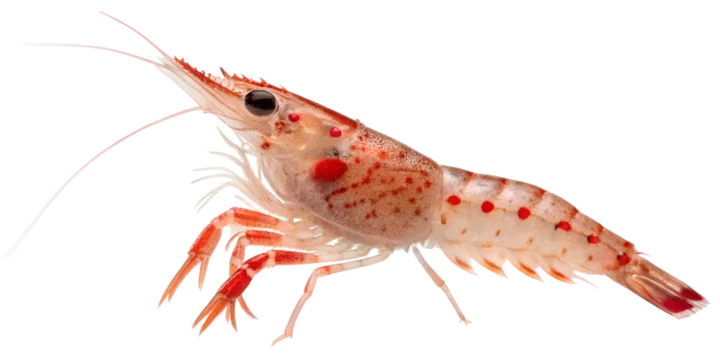
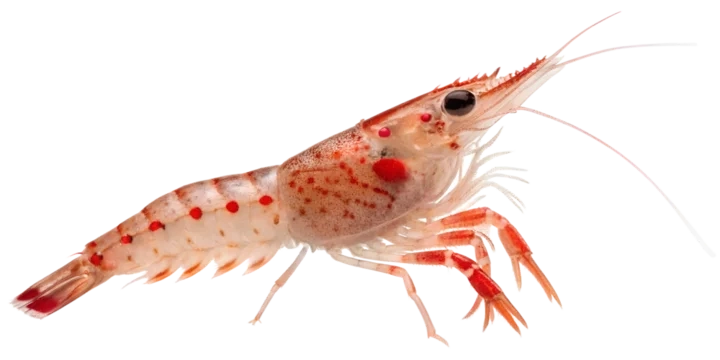
Cherry Shrimp
(AKA The Skittle Crew)
Our Cherry Shrimp colony are a vibrant and beloved addition to our freshwater aquarium started in 2025, with ten blue and ten red shrimp.
Shrimp are crustaceans, and much like other crustaceans such as crabs and lobsters, they have an exoskeleton.
Neocaridina shrimp are small dwarf shrimps that grow to around 1-1.5 inches and live for around 1–2 years.
Known for their peaceful demeanor and scavenging habits, cherry shrimp not only enhance the visual appeal of our aquarium but also serve as an efficient cleanup crew grazing on algae and detritus.
Scientific Name
Neocaridina davidi
Class
Crustacean
Colourings
Blue Velvet = Blue
Cherry = Red
Origin
They are native to Taiwan, though most specimens in the trade are from captive breeding programs worldwide.
Diet
Omnivorous scavengers. They feed on algae, biofilm, decaying plant matter, and microorganisms. In captivity, they’re often given shrimp pellets, blanched vegetables (like spinach or zucchini), or specialised fish/shrimp flakes.
Lifespan
Around 1–2 years, depending on water conditions, diet, and care.
Interesting Fact
They are excellent cleanup crew members for planted tanks, helping control algae and detritus. Their colour can fade under stress, poor diet, or bad water quality, but it often returns with proper care.

Social Snackers
Did you know that Shrimp are communal eaters often gathering in groups to munch on a single food source, like a shrimp pellet or blanched veggie, creating a lively feeding frenzy visible to observant keepers.
Conservation Status
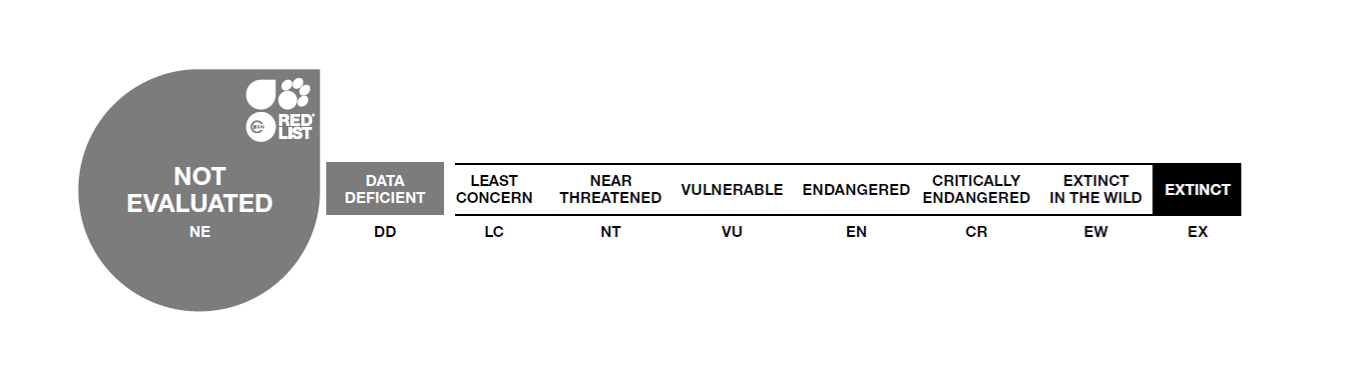
From a global perspective, Neocaridina davidi isn’t endangered or vulnerable in its native range based on available information—it’s resilient and prolific. The lack of an official IUCN listing reflects this, as well as the species’ low profile outside the aquarium hobby. That said, local declines could occur due to habitat loss or pollution in parts of its native range, though this isn’t well-documented. Its success in captivity (with countless colour morphs bred worldwide) ironically overshadows any focus on its wild status.
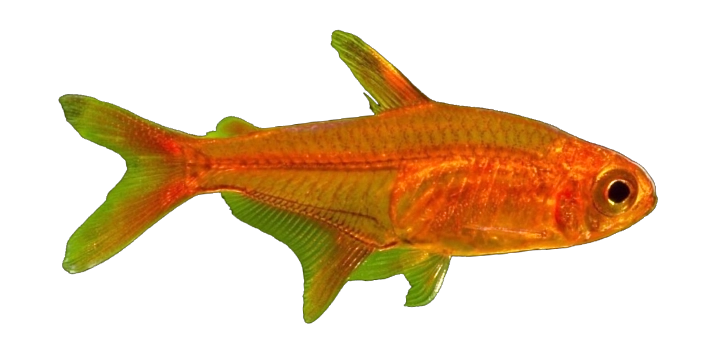
Ember Tetra
(AKA The Fire Brigade)
Our Ember Tetra’s are a tiny, dazzling freshwater fish native to the slow-moving rivers of Brazil’s Araguaia River basin.
Renowned for its brilliant orange-red hue—reminiscent of glowing embers—this nano species grows to just 0.8 inches (2 cm) and thrives in schools, adding a burst of warmth to our aquarium. Easy going and peaceful by nature, they dart among vegetation and shoal with their Shrimp companions.
Scientific Name
Hyphessobrycon amandae
Class
Fish
Colourings
Orange with red hues
Origin
Native to the slow-moving, vegetated waters of the Araguaia River basin in central Brazil.
Diet
Omnivorous with a preference for small foods due to their tiny mouths. They eat micro-pellets, crushed flakes, baby brine shrimp, daphnia, and occasionally algae or biofilm in the tank.
Lifespan
Around 2–4 years with proper care, though some may live slightly longer in optimal conditions.
Interesting Fact
At night or when resting, their bright colour can fade slightly as they “sleep,” only to flare up again when active—a natural energy-saving trick.
Colours That Pop!
Ember Tetra’s orange-red hue isn’t just for show – it intensifies in healthy fish under good lighting and water conditions, earning them their “ember” name.
Stress or poor care can dull them to a pale yellowish shade.
Conservation Status

The conservation status of the Ember Tetra is not extensively detailed by major global organisations like the International Union for Conservation of Nature (IUCN) in the same way as many larger or more prominent species. However, Ember Tetras are abundant due to successful captive breeding, reducing pressure on wild stocks. Unlike some species harvested heavily from nature, most available specimens are tank-raised, which supports their stable status.
There is indication of them being listed as threatened, vulnerable, or endangered in their native habitat based on standard conservation metrics.
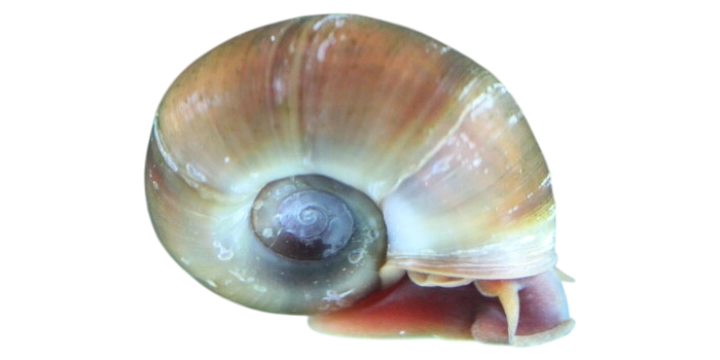
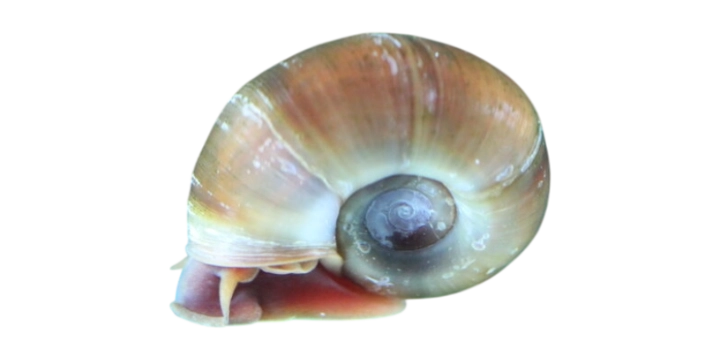
Ramshorn Snails
(AKA Gordon Ramshorn & Friends)
Our Ramshorn Snails are a little freshwater snail with a cinnamon-roll-shaped shell and a knack for keeping things clean.
Gliding through life over aquatic plants and glass, our pearlescent pink spiral snails munch on algae and debris, all while quietly ruling the tank’s bottom tier.
Self-sufficient and low-drama, Gordon & Friends are here to clean, and maybe start a snail dynasty—no rush, though!
Scientific Name
Planorbella duryi
Class
Mollusk
Colourings
Pearlescent Pink
Origin
Native to temperate and tropical regions, primarily Europe, North America and parts of Africa and Asia. Spread globally via natural waterways and human activity, now found on most continents except Antarctica.
Diet
Algae (found on glass or other items). Biofilm (Thin layer of microorganisms and organic matter that forms on submerged surfaces) Other food generally available such as Decaying Plant Matter, Leftover Fish Food, Detritus
Lifespan
Around 1-2 years
Interesting Fact
The ramshorn name comes from the shell’s resemblance to a ram’s curled horns, a trait honed over millions of years for compact mobility.
Global Travelers
Originally from Europe, North America, and parts of Africa and Asia, they have managed to hitch rides via plants, birds, and humans to become near-global. In some places, they’re now invasive, thriving where they shouldn’t.
Conservation Status
No widely recognized ramshorn species is not currently listed as Vulnerable, Endangered, or Critically Endangered by the IUCN or regional bodies.
Most ramshorn species are too common or understudied to warrant specific conservation listings. However, rare or endemic Planorbidae relatives (not typical “ramshorns” as aquarium hobbyists know them) in isolated habitats—like springs or caves—may face risks. For example, some planorbid snails in unique ecosystems have been evaluated, but these are exceptions, not the norm for the ramshorn group.
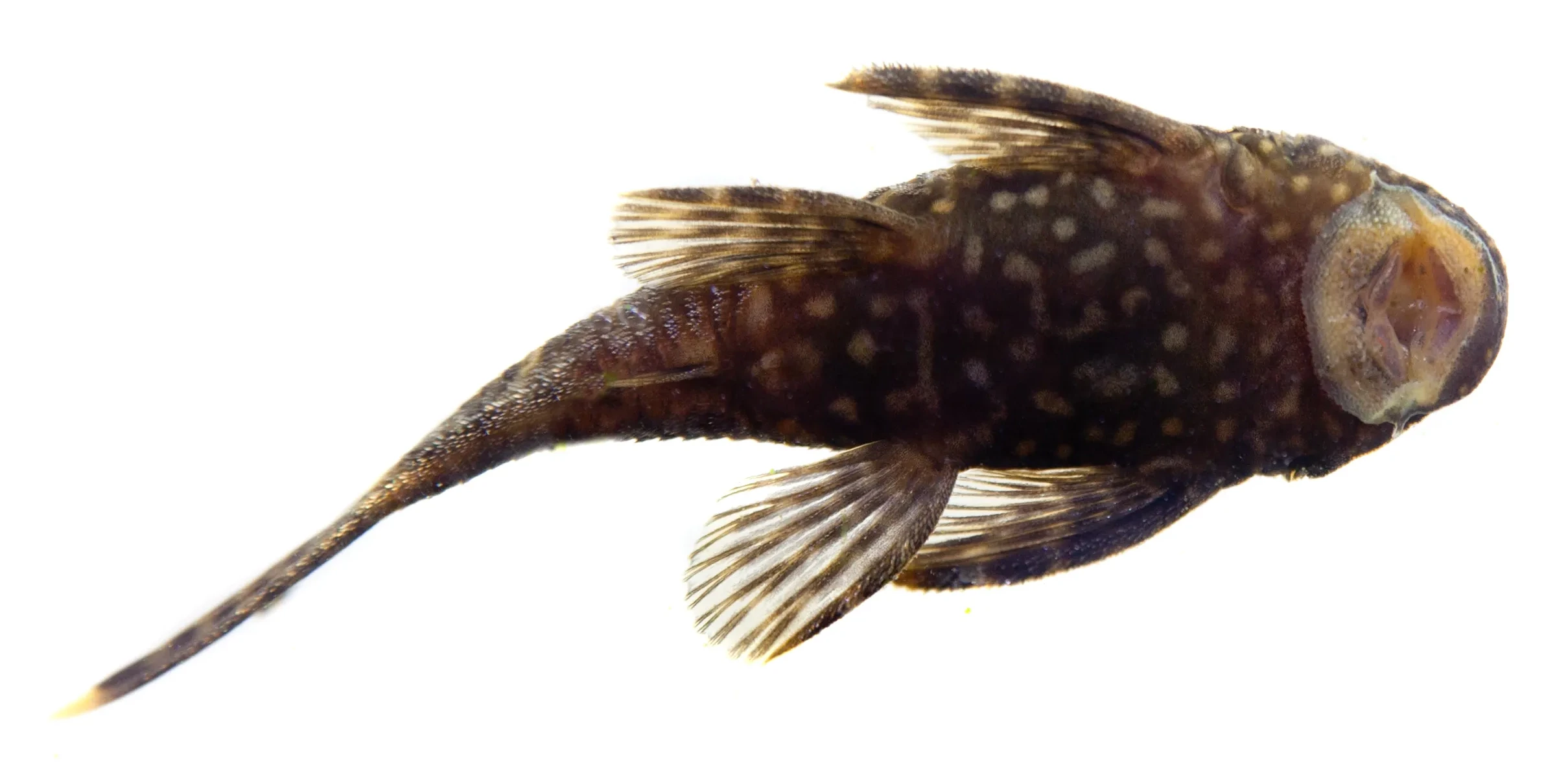
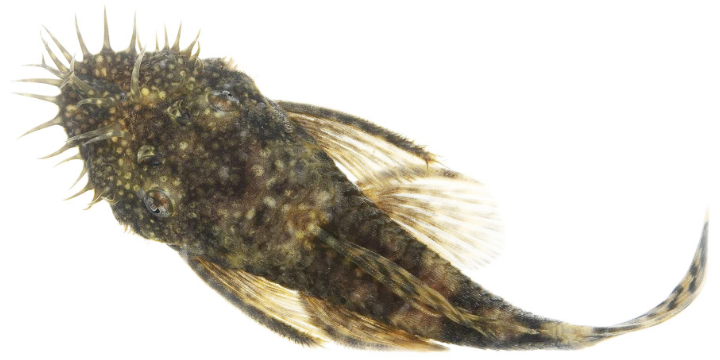
Bristlenose Pleco
(AKA Big Snoz)
Meet the Bristlenose Pleco, the quirky vacuum cleaner of our aquarium world! This charming little catfish, with its funky tentacle-like bristles sprouting from its nose (especially the guys showing off their manly mustaches), spends its days (and mostly nights) cruising the tank bottom like a stealthy ninja.
Armed with a sucker mouth that’s perfect for gobbling up algae, wood, and veggie scraps, it keeps your glass sparkling clean while chilling with tank mates in peaceful harmony. Easygoing and low-maintenance, this pleco is the ultimate sidekick for any fishy adventure!

The Boss Man
Did you know that male Bristlenose Plecos grow those signature bristles on their snouts as a sign of maturity, almost like a fishy beard that helps them attract mates and defend territory?
It’s their way of saying, “I’m the boss of this tank!”
Scientific Name
Ancistrus sp
Class
Actinopterygii
(Ray finned fish)
Colourings
Olive/Brown & Spotted
Origin
The Amazon River Basin and parts of South and Central America, including Panama.
Diet
Algae (found on glass or other items). Biofilm (Thin layer of microorganisms and organic matter that forms on submerged surfaces) Other food generally available such as Decaying Plant Matter, Leftover Fish Food, Detritus
Lifespan
Around 5-12 years
Interesting Fact
Their bodies are armored up with bony plates like tiny knights, providing built-in protection from rough tank mates or predators in the wild.
Conservation Status
The bristlenose pleco (Ancistrus cirrhosus) is not listed on the IUCN Red List, meaning it has not been formally assessed as threatened—its wild populations are generally considered stable and abundant across its native South American range, with no significant conservation concerns noted.
However, like many aquarium fish, care should be taken to prevent accidental releases into non-native environments, where they could potentially become invasive.