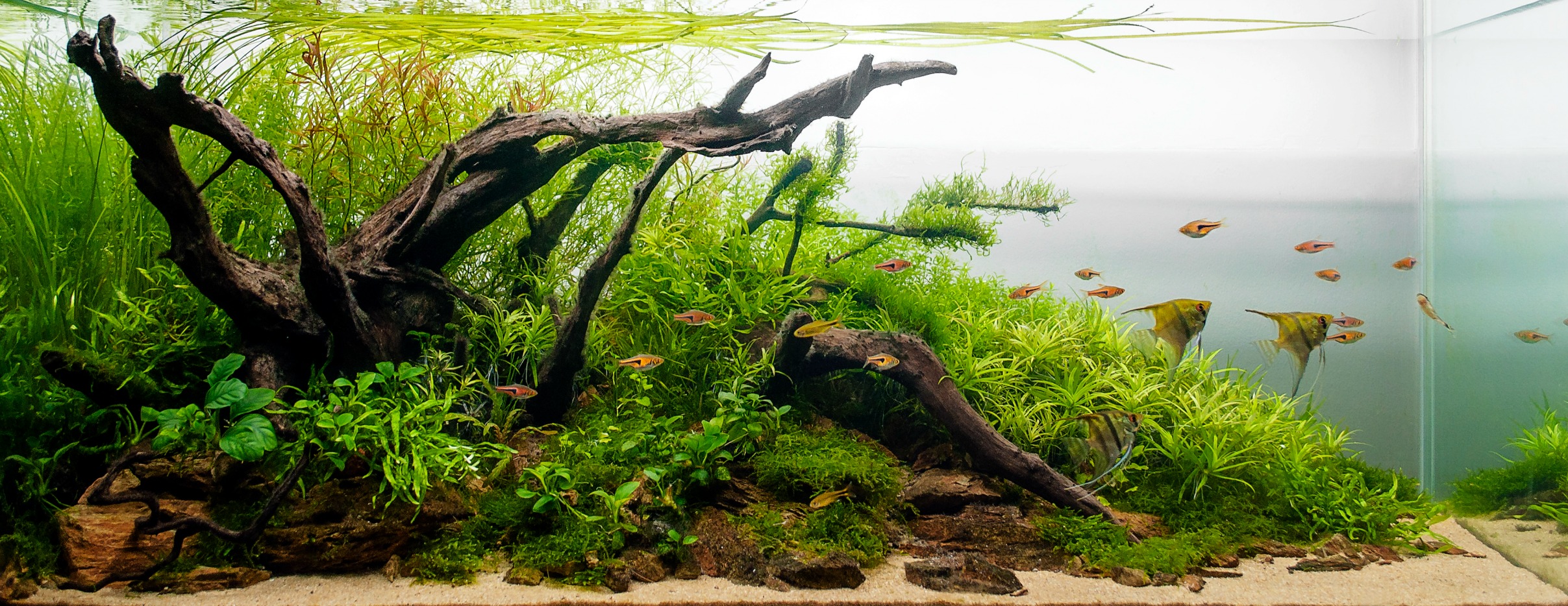
The Community Tank (Picture coming soon)
The community tank is home to a variety of Shrimp, Tetras and Snails. Click the following images view more specific information about each species. The ‘Information & Care’ and onward sections remain static and apply to all varieties found in the fish tank.
| Name | Skittle Crew |
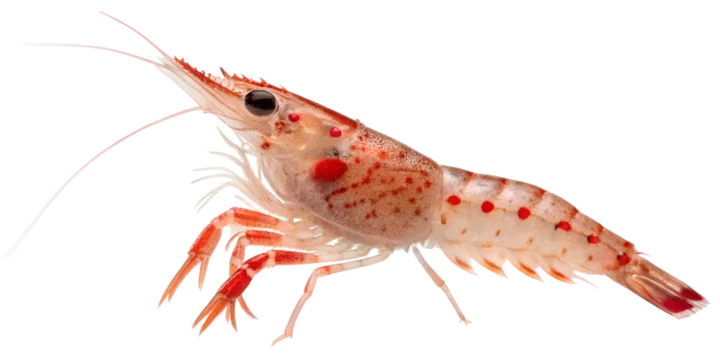
| Common Names | Cherry Shrimp |
| Scientific Name | Neocaridina davidi Shrimp Neocaridina davidi “Blue Velvet”, formerly Neocaridina heteropoda var. Blue Neocaridina davidi ‘Red’. Also sometimes still Neocaridina heteropoda var. ‘Red‘ or Neocaridina denticulata sinensis |
| Colourings | Red Cherry = Red Blue Velvet = Blue |
| Date of Birth (Approx.) | 2025 |
| Gender | Male & Females |
| Country of Origin | Eastern China and Taiwan View on Google Earth |
| Habitat | Streams and ponds, usually with plenty of plants and often with wood and rocks as natural substrate |
| Average Life Span | Approximately 2 Years |
| Interesting Facts | They are excellent cleanup crew members for planted tanks, helping control algae and detritus. Their colour can fade under stress, poor diet, or bad water quality, but it often returns with proper care. |

From a global perspective, Neocaridina davidi isn’t endangered or vulnerable in its native range based on available information—it’s resilient and prolific. The lack of an official IUCN listing reflects this, as well as the species’ low profile outside the aquarium hobby. That said, local declines could occur due to habitat loss or pollution in parts of its native range, though this isn’t well-documented. Its success in captivity (with countless colour morphs bred worldwide) ironically overshadows any focus on its wild status.
Our shrimp colony was started in 2025, with ten blue and ten red shrimp. Shrimp are crustaceans, and much like other crustaceans such as crabs and lobsters, they have an exoskeleton. Neocaridina shrimp are small dwarf shrimps that grow to around 1-1.5 inches.
They are peaceful animals that are constantly on the go, feeding and looking for food. When the fish tank lights are on, the shrimp may hide more under plants and hides, hence the lights are only on for 8-10 hours per day. They like stiller waters and therefore the water filter output must be kept as low as possible.
This species of shrimp has very little data related to its status.
| Name | The Fire Brigade |
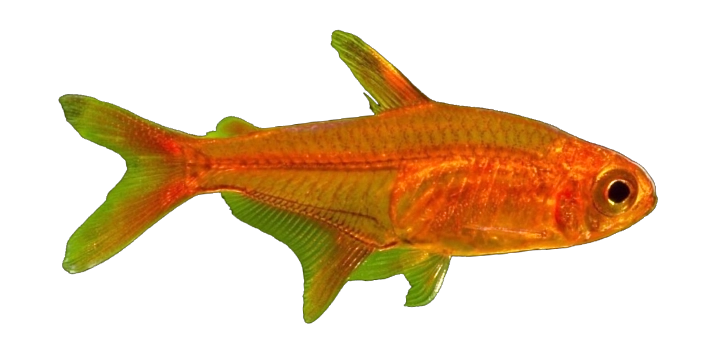
| Common Names | Ember Tetra (or Fire Tetra) |
| Scientific Name | Hyphessobrycon amandae |
| Colourings | Orange |
| Date of Birth (Approx.) | 2025 |
| Gender | Male & Females |
| Country of Origin | Central and Southern America and Brazil View on Google Earth |
| Habitat | Inland wetlands, rivers, streams and creeks |
| Average Life Span | 2-4 Years |
| Interesting Facts | Ember tetras are one of the smaller Tetra species and when kept in groups of six plus, will often form a school. |

The conservation status of the Ember Tetra is not extensively detailed by major global organisations like the International Union for Conservation of Nature (IUCN) in the same way as many larger or more prominent species. However, Ember Tetras are abundant due to successful captive breeding, reducing pressure on wild stocks. Unlike some species harvested heavily from nature, most available specimens are tank-raised, which supports their stable status.
There is indication of them being listed as threatened, vulnerable, or endangered in their native habitat based on standard conservation metrics.
(The Fire Brigade)
Our Ember Tetra’s were introduced into the nano tank in March 2025, with just six initial fish. Ember Tetra’s are peaceful little fish and when confident will be dispersed around the tank, but when less anxious, or when excited will form a school and swim in formation (this usually happens when you have more than 6-8 fish).
Like the shrimp, they are on the go most of the time, seeking out food, they also like the stiller waters.
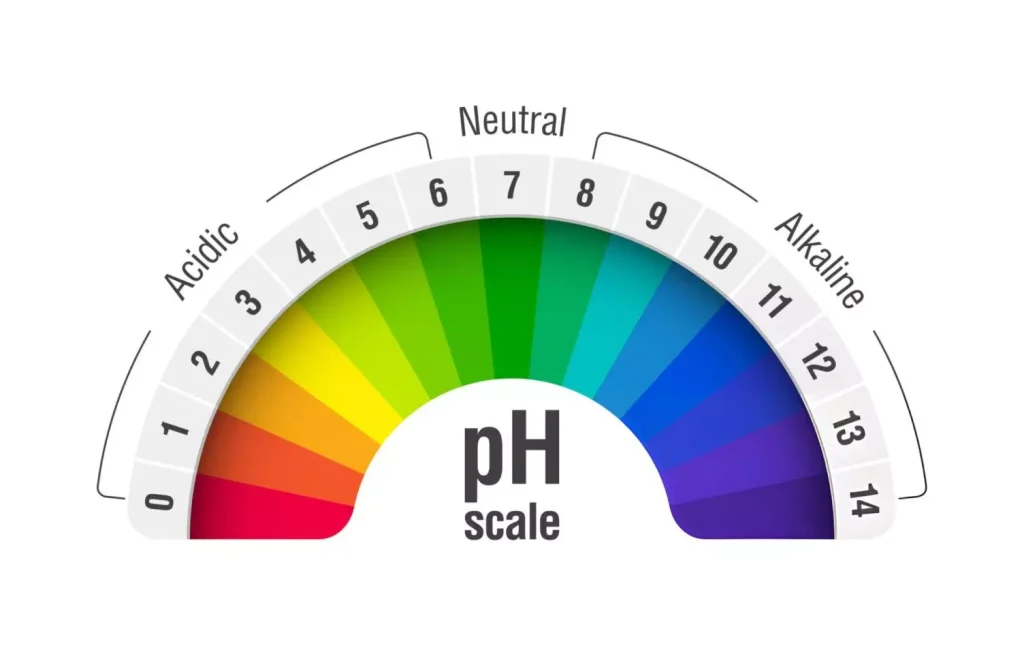
Ember Tetras in the wild come from mildly acidic waters, but are adaptable enough to manage a pH of 5.5-7.5 – They come from mildly acidic waters but are adaptable enough to handle pH of 5.5–7.5, 72–82°F (22–28°C), and very soft to moderately hard water.
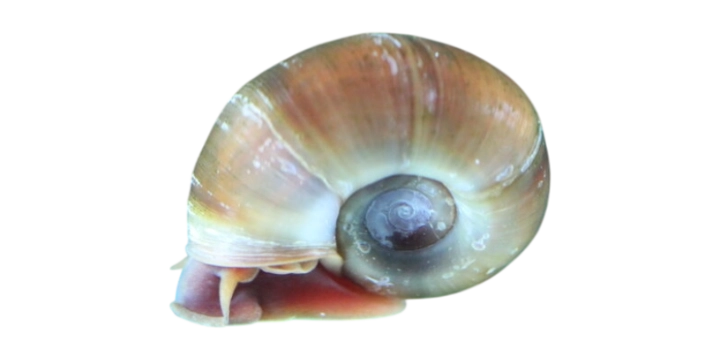
| Name | Gordon Ramshorn and Friends |
| Common Names | Seminole Ramshorn Snails Pink Pearl (often called Apple snail) |
| Scientific Name | Planorbella duryi |
| Colourings | Pink and pearlescent |
| Date of Birth (Approx.) | 2025 |
| Gender | Hermaphrodite |
| Country of Origin | North America specifically Florida View on Google Earth |
| Habitat | Inland wetlands, rivers, streams and creeks |
| Average Life Span | 1 Year |
| Interesting Facts | Being hermaphrodite means that both males and females can produce off-spring and as such fish tanks can become over-run with snails. |

No widely recognized ramshorn species is currently listed as Vulnerable, Endangered, or Critically Endangered by the IUCN or regional bodies.
Most ramshorn species are too common or understudied to warrant specific conservation listings. However, rare or endemic Planorbidae relatives (not typical “ramshorns” as aquarium hobbyists know them) in isolated habitats—like springs or caves—may face risks. For example, some planorbid snails in unique ecosystems have been evaluated, but these are exceptions, not the norm for the ramshorn group.
(Gordon Ramshorn and Friends)
Ramshorn snails are a great addition to a fish tank as they are peaceful and are also algae eaters, so help to keep the tank glass clean. They are quite busy, and bizarrely fast moving creatures and love to hang off plants, eating the ‘biofilm’. They tend not to eat the plants, preferring to eat any waste fish food and decaying leaf matter and algae.
Our snails were introduced into the nano tank in March 2025, with just five young snails and one adult.
Information & Care
(Applies to all tank crew members)
Our Tetra, Snails and Shrimp can all cohabit peacefully and are complimentary in terms of keeping the aquarium clean. Both the Shrimp and the Tetra’s are believed to be social animals and, ideally, will be kept in small groups of males and females. Ramshorn snails do not need the company of others for social purposes, so whilst these can be kept alone, they are good algae eaters and help to keep the tank clean, so a small group is beneficial.
Neocaridina shrimp and Ramshorn snails are both opportunistic feeders and detritivores (feeding off animal and plant waste), meaning they grab food whenever they can. Both often look very busy, eating most of the time, and this is a necessary behaviour, particularly for shrimp as they have a very fast digestive system and can not store food for very long in their stomachs.
The shrimp are great to coexist with the snails and the fish as they will eat their poop! We supplement the shrimps foraging with occasional commercial food and shrimp wafers, or adding a small piece of spinach or cucumber.
Our Ember Tetras are insectivores, feeding mainly on an insect diet, hence they need a specialist food, such a frozen Daphnia or suitable size bloodworms, with flaked food. The ember Tetras need a small amount of food three times a day, just a small amount that ideally is eaten within two minutes.
Over-feeding any of the animals in their nano-tank will result in increases in harmful bacteria and ammonia, and will result in higher levels of tank maintenance and water changes, so it is important to avoid the temptation to keep treating / feeding our aquatic friends.
Fish Tank
Our community tank inhabitants live in an Aquael tank measuring just 30 x 30 x 45 cm. Collectively, they need to have a filtration system, a tank heater (particularly the Ember Tetra) , a gravel based substrate, and lots of live plants. The filter system must utilise a sponge filter with an external sponge to prevent the small fish, shrimp and any fry from being pulled into the filter mechanism and killed. The tank has natural coral rock for decoration and hiding spots and a thermometer to keep an eye on the temperatures.
The tank also has an ammonia and Ph alert disc in the tank, that should be replaced every six months, and this allows instant assessment of the water and therefore risk to health, without the need for reaching for the water testing kits, which are then done once per week.
Heat & Lighting
LED lighting is programmed via smart home timers with the following pattern:
Switched on: 08:30-16:30. The LED light is essential for plant health / growth and to replicate a day / night cycle.
Oxygenation
Plants are essential for oxygenation and a gap at the top of the tank as Ramshorn snails are air-breathers. The filter is set to as low as possible as none of the inhabitants like fast flowing water, however agitation of the water (at the surface) is highly beneficial to all of these species.
Water temperature
The heater is set on a time (run via Smart Home App) and the temperature is aimed at being 22-25. Temperature below 22 and above 26/27 would start to cause health issues. The heater timer in summer is set to come on only at night, as the room temperatures can spike and a small tank like this can become too hot. When temperatures start to climb above 26, a water change with cooler water, or adding in small frozen bottles for a very short period will bring the water temperature back down. However, consistency and water stability is essential and sudden changes in water chemistry or temperature can cause issues, so stable temperatures are preferable and less stressful for our aquatic friends.
Water quality parameters
The following are the required average water parameters which applies to all species found in the nano tank and should be tested with the API water kits and the TDS meter at least once per week, or more often where the ammonia or Ph alert disks suggest there is a spike in levels, or where the inhabitants show any signs of unusual behaviour.
Full water quality for each species can be found here: AiM Nano Tank Water Quaility Parameters
Ideal Water Temperature: 25c
Ammonica: 0
Nitrite: 0
Nitrate: 10-20ppm
pH: 6 – 7
General Hardness (dGH): 5-12 dGH (90-215ppm)
Carbonate Hardness (dKH): 4-8 dKH (72-143ppm)
Total Disolved Solids: 150
Ammonia alerts
The ammonia alert disk (in the fish tank) shows when ammonia levels are rising, but they are only an indicator. They must be checked daily, preferably twice daily (first thing in the morning and again at tea time). This requires a very quick glance only, but if readings are out of the expected, then a full test, using the API testing kit must be carried out as anything above 0 requires intervention (usually water change). Be prepared to quickly remove 15 -30% of the water and add fresh, dechlorinated water.
Substrate
Our tank has Oase scraper soil as this serves as both a planting medium and tank substrate. Oase ScaperLine Soil
Tetras and Shrimp are social animals and need companionship from others of their own species, so must be kept as a group. All species benefit from hiding places under plants and hides, but also space to free swim. Following any maintenance, check that the filter flow is turned to low, so there is minimal water disturbance as all the species prefer stiller waters.
The tank needs live plants to aid with water parameters and oxygen levels. Almond leaves are an addition to the tank, as when these break down they provide food for the snails and develop a biofilm for the shrimp to eat and to breed. Shrimp also needs tubes and tunnels or places to hide behind, and for healthy bacteria to build up.
– Check the ammonia and Ph alarm disks every morning and in the evening / before closing up for the day.
– Check the temperature is within range every morning and periodically during the day, before bed – this is particularly important in winter and summer when the room temperature may fluctuate.
– Feeding as per feeding routine (usually, very small amounts 3 times per day)
Should any shrimp or fish appeal ill, or lethargic, these may need to be removed and quarantined. Any dead fish / animals should be removed as although the other shrimp and snails would eat the dead animals, they are unpleasant to see and can cause a spike in the ammonia levels.
Weekly full clean
This includes
– Cleaning and removing algae from surfaces
– Carrying out a 15-20% water change, sucking out debris from the tanks and then topping up water – this needs to be the same temperature, and the water should be dechlorinated, with prime stability added (follow bottle instructions for quantities).
– Dead heading and removing decaying plant matter
– Removing and rinsing the tank filters (using only tank water)
Quarterly – Deep clean
As above, but check all ornaments and remove excess algae, and trim / scissor off any overgrown aquatic plants etc.
Check the ammonia / Ph alert discs and replace.
Health Check & Emergencies
The following testing / form should be completed at least once a week. You will be prompted to complete further actions, should any answer show to be of concern.
Nano Tank Health Check
– Toxic water quality (usually a spike in Ammonia, nitrite, or nitrate), or a fluctuation in General Hardness (GH), Carbonate hardness (KH) or Total Dissolved Solids (TDS), or pH that differs from the species preferred range (5-7).
– If there is evidence of any traditional fish disease, such as white spot, or fin rot (fish), or swim bladder issues (fish can not stay upright)
– If one of the fish is being bullied and hiding away
– If there is evidence of any traditional shrimp diseases, such as green fungus, or the shrimp is injured after moulting
– If the fish and shrimp are swimming erratically, often at the water surface
Supplies & Reference
Aquarium plants – Like Java Moss For Shrimp Cover/Breeding
Indian Almond Leaves plant matter
Tank substrate – Oase ScaperLine Soil
Live Blood worms
Frozen Blood worms
Live Daphnia
Frozen Daphnia
API 800 Freshwater Aquarium Water Test Kit
Prime Stability 250ml
Prime Dechlorinator Water Conditioner 100ml
Dr Timms Ammonia
(only normally needed when setting up a tank and carrying out a fishless tank cycle)
The following supplies are always kept in stock:
Bicarbonate of Soda (for low pH levels – Kept in small labelled tub in the Axolotl Enclosure)
Almond Leaf’s
Black Tea
Methylene Blue
Additional Reading & Further Information
Shrimps
The Shrimp Farm – Freshwater Aquarium Shrimp
Ember Tetra
Ember Tetra 101 – Care, Size, Breeding, Lifespan & More
Fish Profile & Care Guide
Affects of pH Levels
5 Ways to raise pH Levels in Aquariums
Ramshorn Snails
Everything about Ramshorn Snails