
The Betta Tank
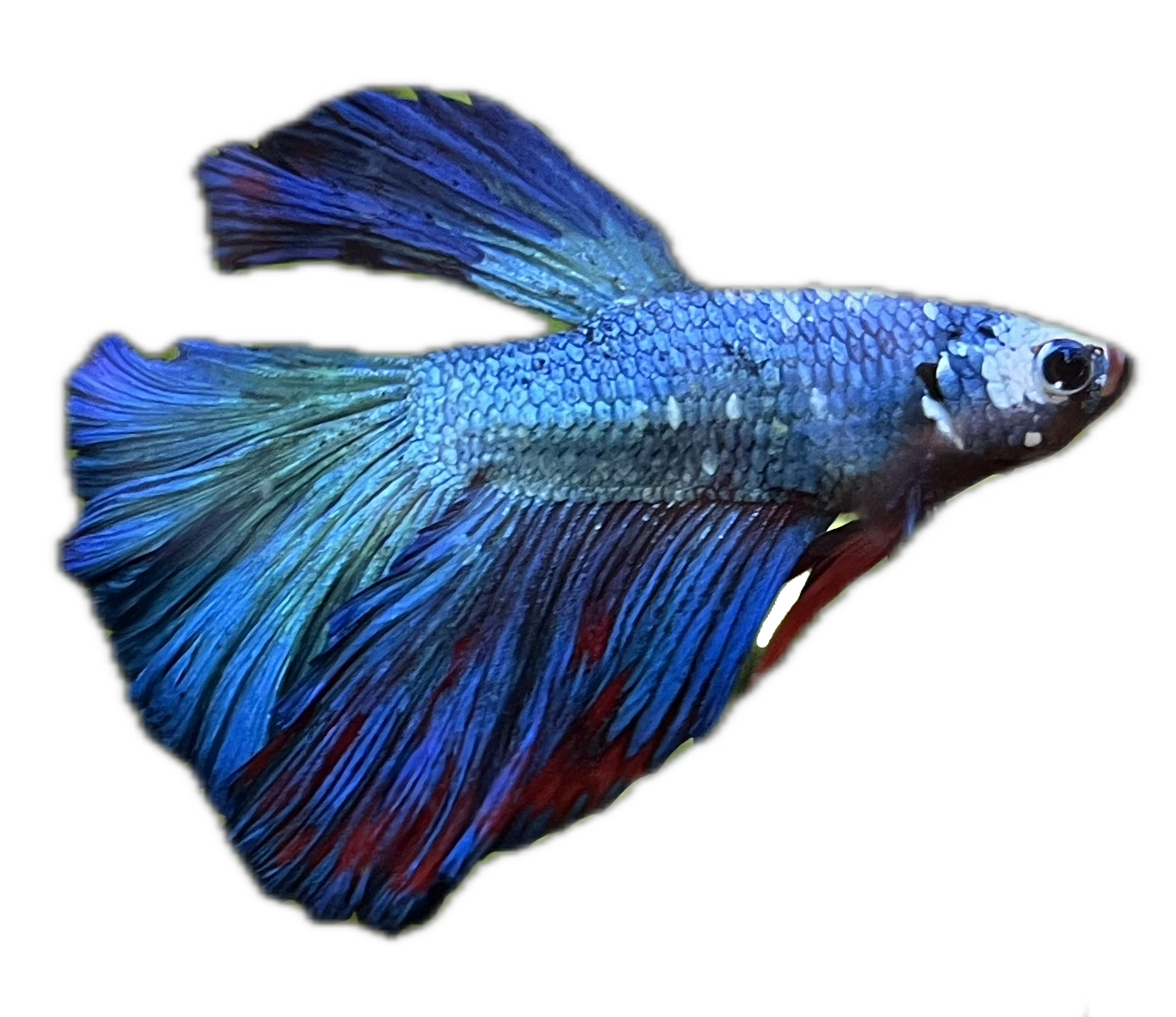
Mr Blue Sky
Betta Fish
The betta fish, or Siamese fighting fish (Betta splendens), is a vibrant, freshwater species native to Southeast Asia.
Known for its striking colors and flowing fins, this small fish, typically 2-3 inches long, thrives in warm, slow-moving waters.
Bettas are popular due to their beauty and relatively easy care, though males are territorial and best housed alone. With a lifespan of 2-4 years, they’re a captivating addition to our range of aquatic species.
Scientific Name
Betta splendens
Class
Fish
Colourings
Multi-coloured half moon
Origin
They are native to Southeast Asia, specifically Thailand, Laos, Cambodia, Vietnam, and parts of Malaysia and Myanmar. In the wild, they inhabit slow-moving waters like rice paddies, swamps, marshes, and shallow ponds with dense vegetation.
Diet
Carnivorous and thrive on a protein-rich diet. In the wild, they feed on insects, zooplankton, small crustaceans, and occasionally fish fry. In captivity, they do well on high-quality betta pellets, live or frozen foods like bloodworms and brine shrimp, and occasionally flake foods formulated for carnivorous fish.
Lifespan
Around 3–7 years, depending on water conditions, diet, and care.
Interesting Fact
Betta splendens means ‘beautiful warrior’. A name befitting of their wild nature, where they territorially defending their own patch of water and would spar with any other Betta fish that came into their territory
did you know?
Betta males build bubble nests at the water surface in the hope of attracting a female.
These are designed for the female to deposit her eggs into and the male then takes care of them.
Conservation Status
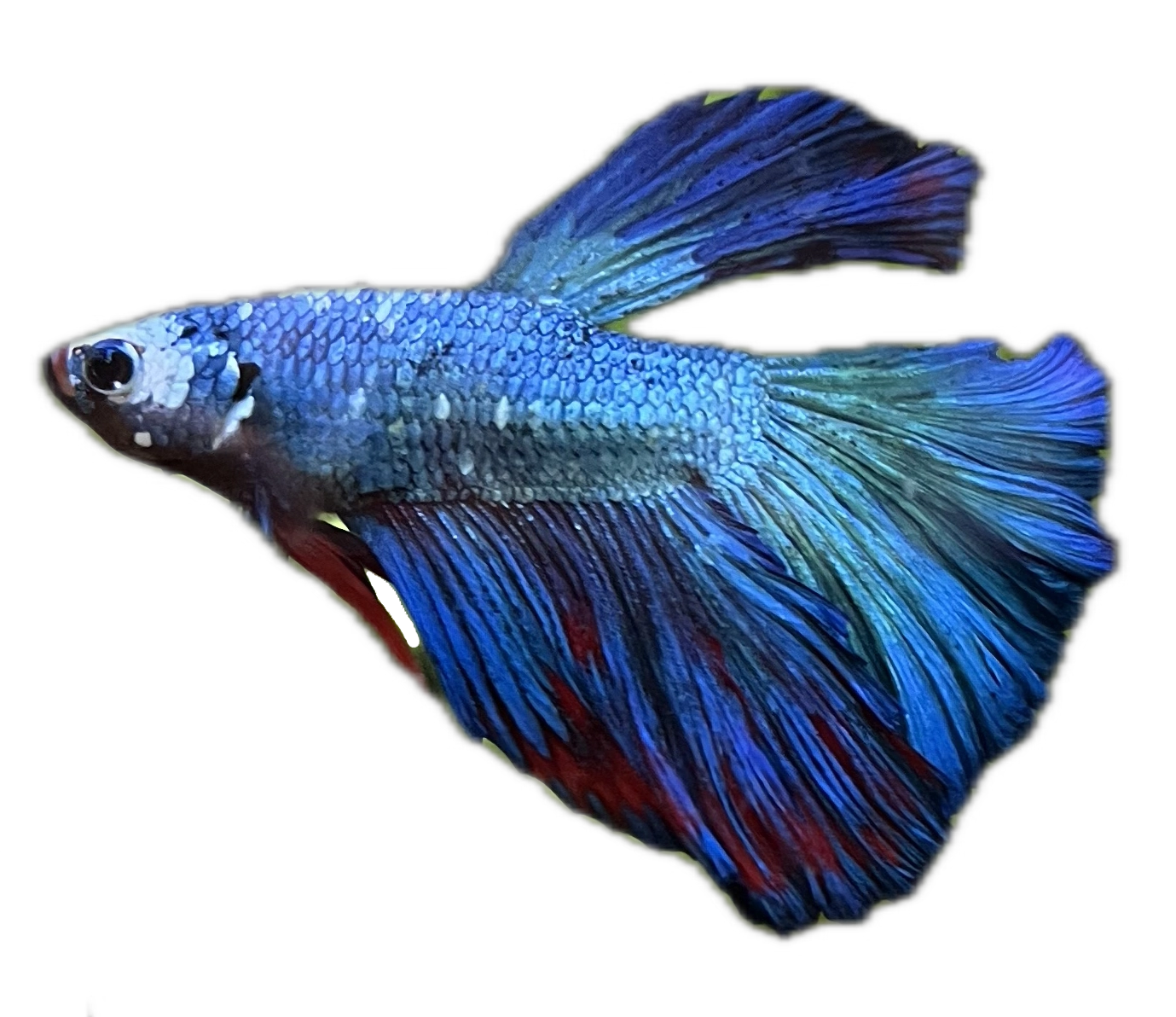

The betta fish (Betta splendens), commonly known as the Siamese fighting fish, is classified as Vulnerable in its native range, primarily in Thailand, Laos, Cambodia, and Vietnam, due to habitat loss from agricultural expansion, pollution, and urbanization. However, the global population is not at immediate risk of extinction because of its widespread presence in the aquarium trade and captive breeding programs.